
Paine’s Dream: A Collected Works
Paine talked about compiling a complete edition of his own works, and it is clear from his correspondence that he always saw this as a signature achievement.
![A 1793 Dalton No. 208 (300] penny labled "Thomas Paine" and described as "an excellent profile, made of white metal". The image can be found in "Thomas Paine Fights for Freedom in Three Worlds: The New, The Old, The Next". by Richard Gimbel - American Antiquarian Society](https://staging.thomaspaine.org/wp-content/uploads/2026/05/Screenshot-2026-05-16-225456.png)
Paine talked about compiling a complete edition of his own works, and it is clear from his correspondence that he always saw this as a signature achievement.
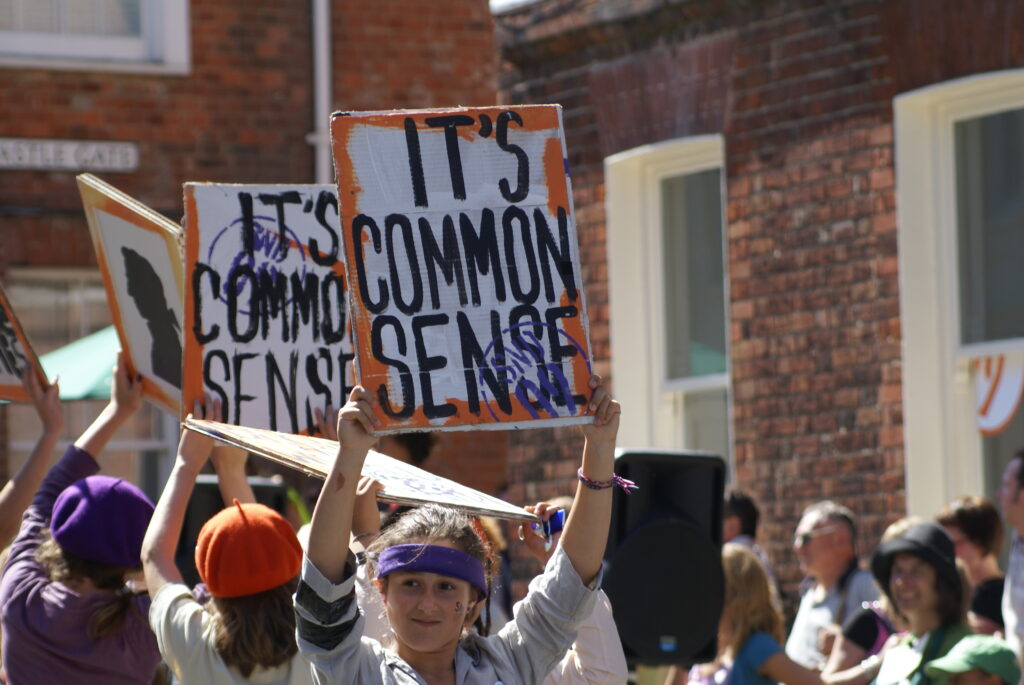
Following the language of Common Sense, 96 local and state Declarations ofIndependence were written, repeating the language of Common Sense, leading to the national declaration.
The Context of Common Sense: Analyzing Paine’s Words Read Post »
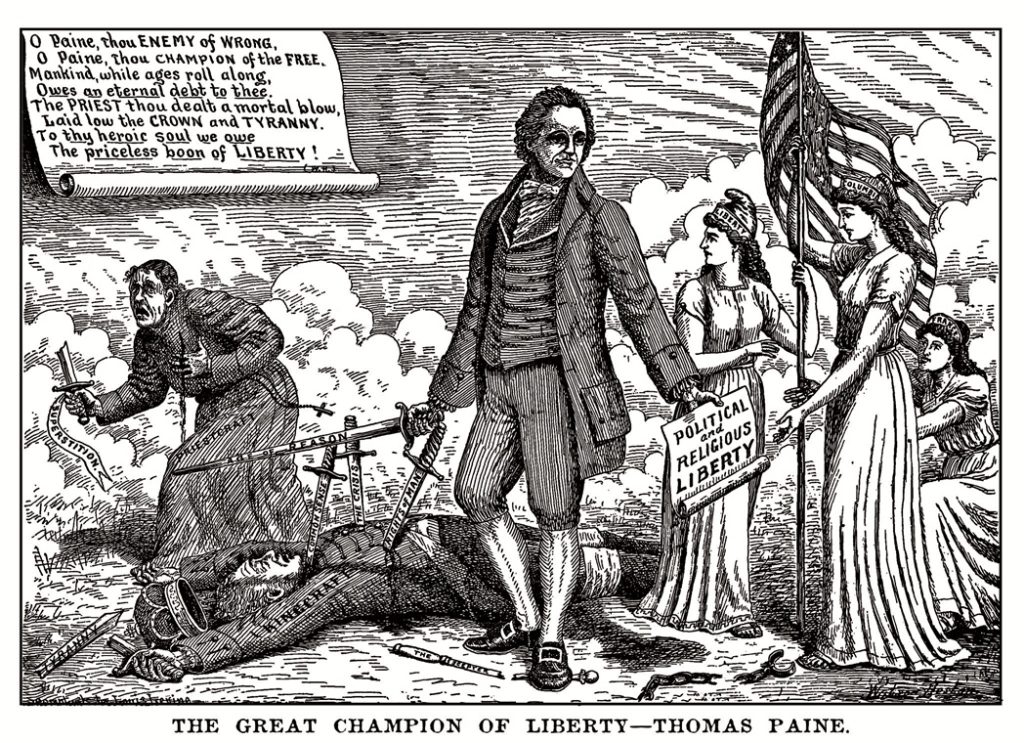
Thomas Paine’s first principles built the structure of democracy. The mechanisms central to Paine’s political theories are rooted in his ideology of first principles. The basic foundation of these principles is equality, and as a direct result, justice. If equality is practiced, then people share equal justice.
Thomas Paine: Founder of Modern Democracy: Part 2 Read Post »
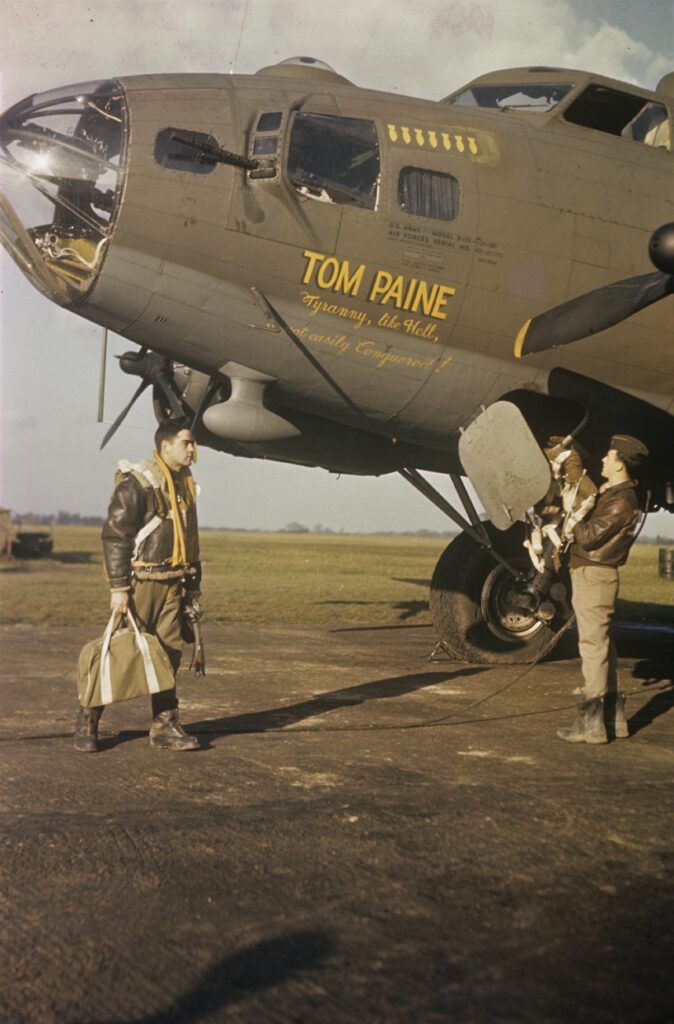
The majority of historians have gone along with ignoring or misrepresenting Paine in history, from 18th century UK Tories to 21st century American biographer J.C.D. Clark. The reality was that the Federalists took over, wrote a constitution enabling plutocracy, and repressed the truth of Paine. Only two Paine biographers (Linton and Vale) were even half
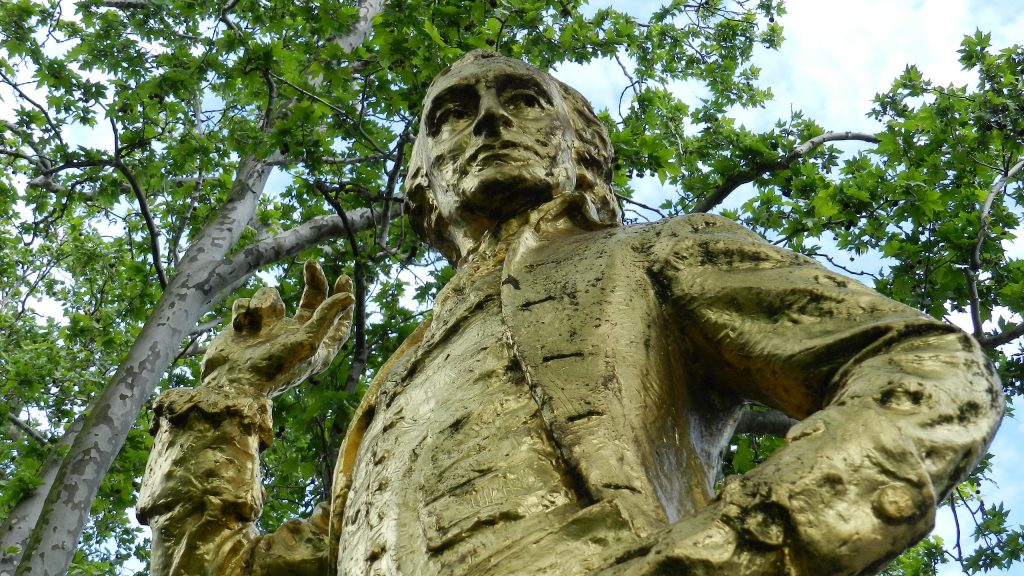
Thomas Paine is the founder of modern democracy. In word and deed, he crafted the democratic movement in three countries, and it spread on its own around the world. As a result, Paine was slandered, attacked and marginalized for 200 years.
Thomas Paine: Founder of Modern Democracy: Part 1 Read Post »
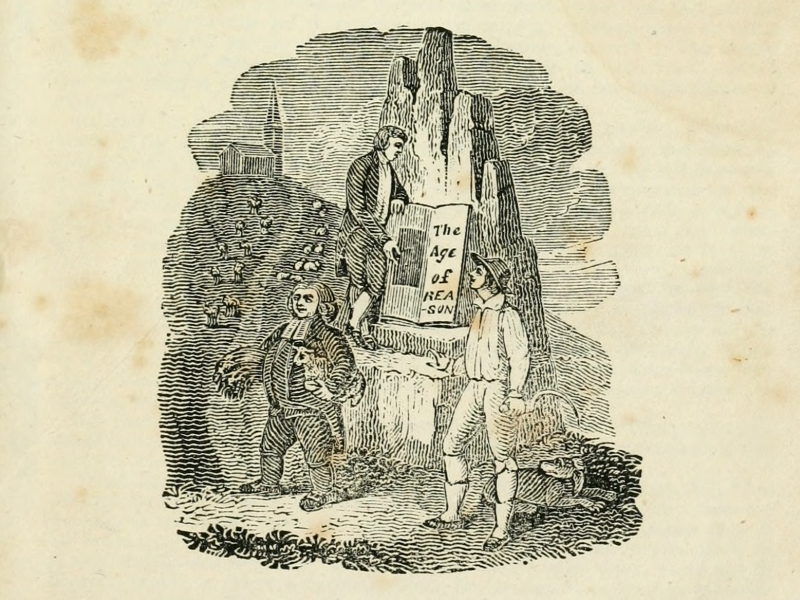
The great historian E. H. Carr said, “By and large, the historian will get the kind of facts he wants. History means interpretation.” In an essay published as part of a collection of writings by and about Thomas Paine, J. C. D. Clark has pushed this premise to absurd limits.
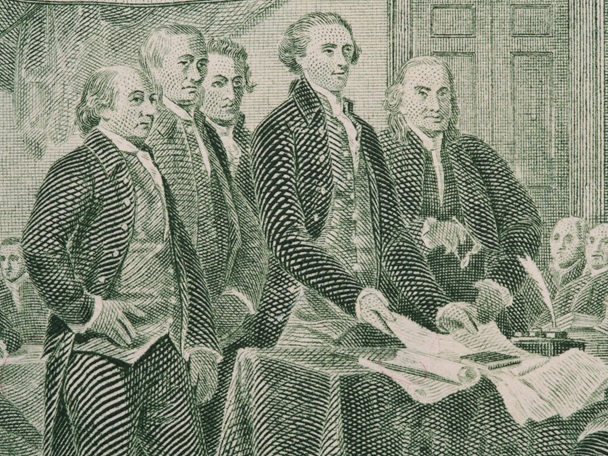
Van Buren Denslow said of Paine: “If a set of opinions could be entitled to a place among political philosophers by reasons of millions having come to believe in and praise them, then Paine would stand, more than any other, as the founder of the American school of political philosophy.”
Thomas Paine and the Declaration of Independence Read Post »
The Federalist Party, anointed by most historians as the founding party of the new United States, shaped the Constitution, adopted in 1787. Their conservative and nationalist ideas were voiced in 85 newspaper essays, collected in “The Federalist Papers,” to counter arguments against the plan from those who wanted more democracy.
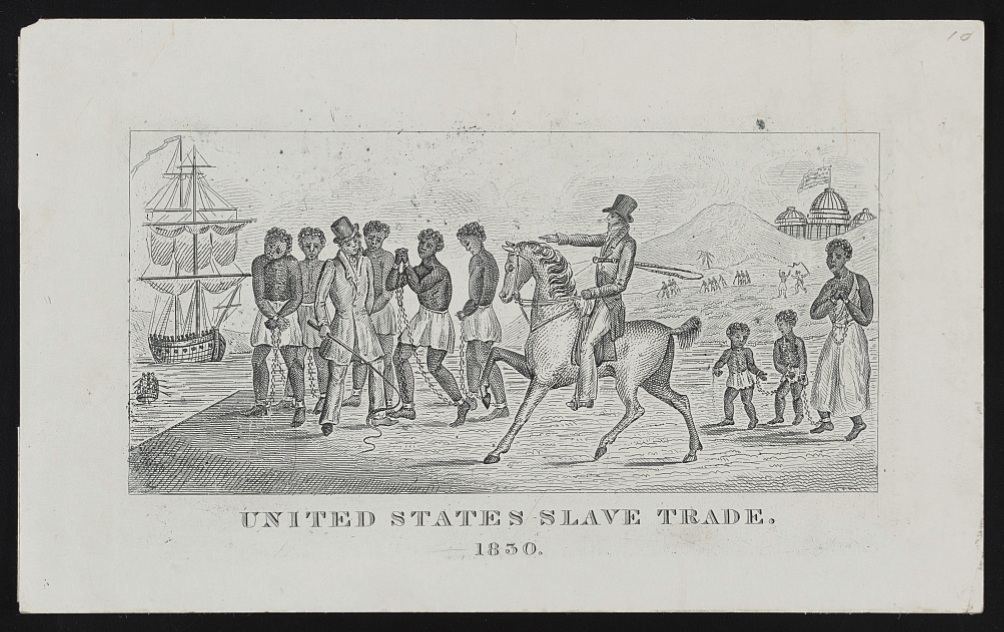
It is most probable that Paine did not write “African Slavery in America” based on a lack of evidence, on the language used in the essay, and on our computer analysis of the text.
The Author Attribution of “African Slavery in America” Read Post »
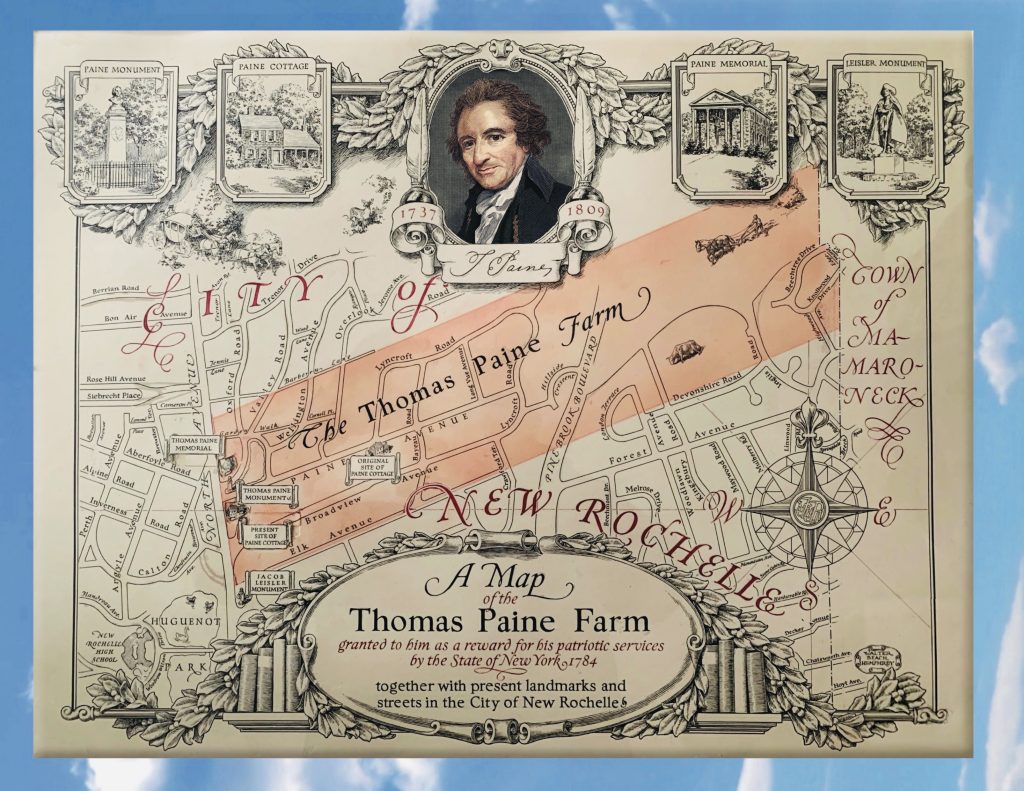
When most founding members of the Thomas Paine National Historical Association no longer served on the TPNHA board, others joined the association and took active leadership roles. They reflected the founding philosophy and ideas that prevailed at the turn of the century.
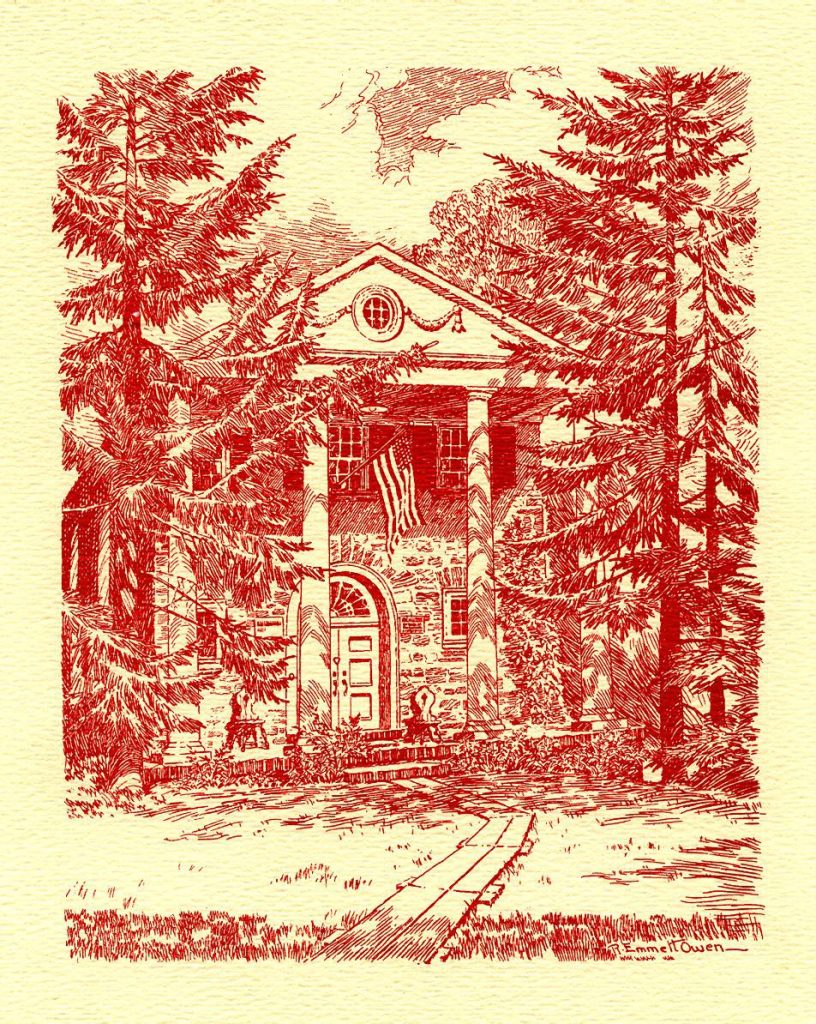
Responding to assaults on civil liberties under the 1873 Comstock Act, freethinkers played central roles in the social reform movement opposing abuses of the rich and powerful in the Gilded Age. They were guided by Thomas Paine and Enlightenment Age ideals of democracy, equality and natural rights.
The Comstock Act and the Founders of the Thomas Paine National Historical Association Read Post »
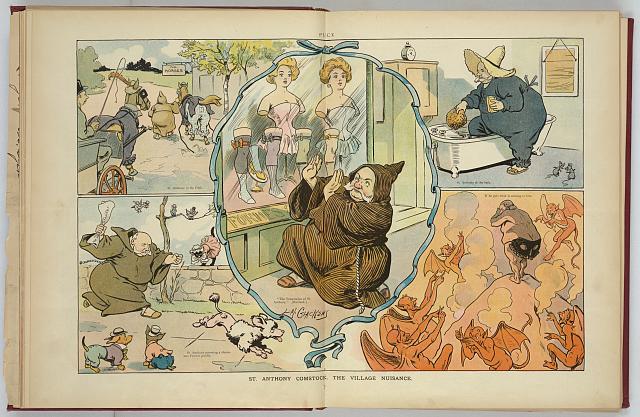
Starting in 1872 and completed in 1873, the Comstock Act brought the weapon of religion against these groups. It was named for Anthony Comstock, a zealous Christian anti-“vice”fanatic who was put in charge of using the Act against the democratic forces emerging.