
Announcing Thomas Paine: Collected Writings
On June 30, 2026, Princeton University Press will publish Thomas Paine: Collected Writings, a six-volume scholarly edition of Paine’s works and correspondence.
Our collection of articles, records and reviews about Thomas Paine Historiography.
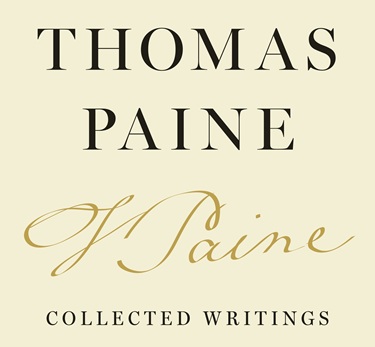
On June 30, 2026, Princeton University Press will publish Thomas Paine: Collected Writings, a six-volume scholarly edition of Paine’s works and correspondence.
![A 1793 Dalton No. 208 (300] penny labled "Thomas Paine" and described as "an excellent profile, made of white metal". The image can be found in "Thomas Paine Fights for Freedom in Three Worlds: The New, The Old, The Next". by Richard Gimbel - American Antiquarian Society](https://staging.thomaspaine.org/wp-content/uploads/2026/05/Screenshot-2026-05-16-225456.png)
Paine talked about compiling a complete edition of his own works, and it is clear from his correspondence that he always saw this as a signature achievement.
The Good, The Bad, and The Ugly By Richard Briles Moriarty Many resources purport to provide biographical information about Thomas Paine. Some resources intentionally, at times maliciously, contain definitive statements that are contrary to available evidence or otherwise demonstrably untrue. Others do so unintentionally, often by relying on misstatements in prior resources that even cursory
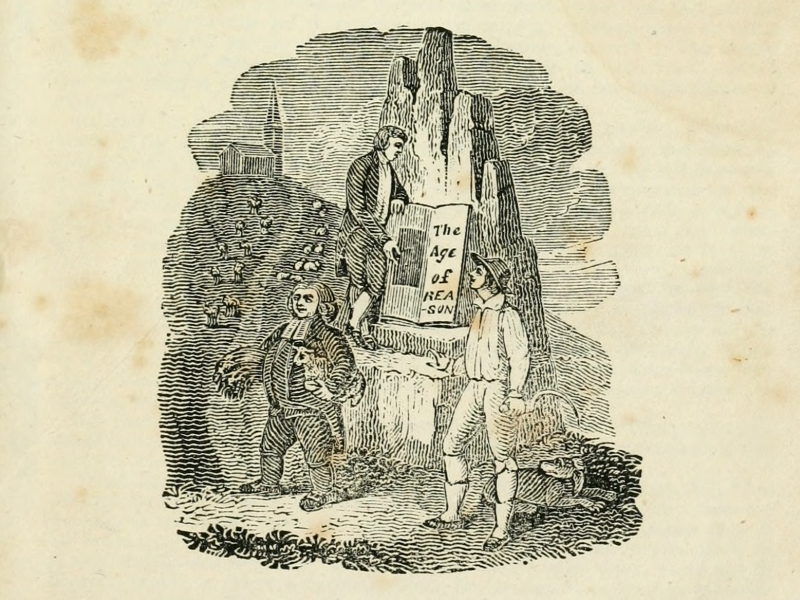
The great historian E. H. Carr said, “By and large, the historian will get the kind of facts he wants. History means interpretation.” In an essay published as part of a collection of writings by and about Thomas Paine, J. C. D. Clark has pushed this premise to absurd limits.
Thomas Paine was the most prodigious political and social polemicist of the revolutionary era. His thinking is more original and seminal than he has been given credit for by historians. Its scope is immense which is one of many reasons he is much more than a “Political Propagandist” and “Pamphleteer”.
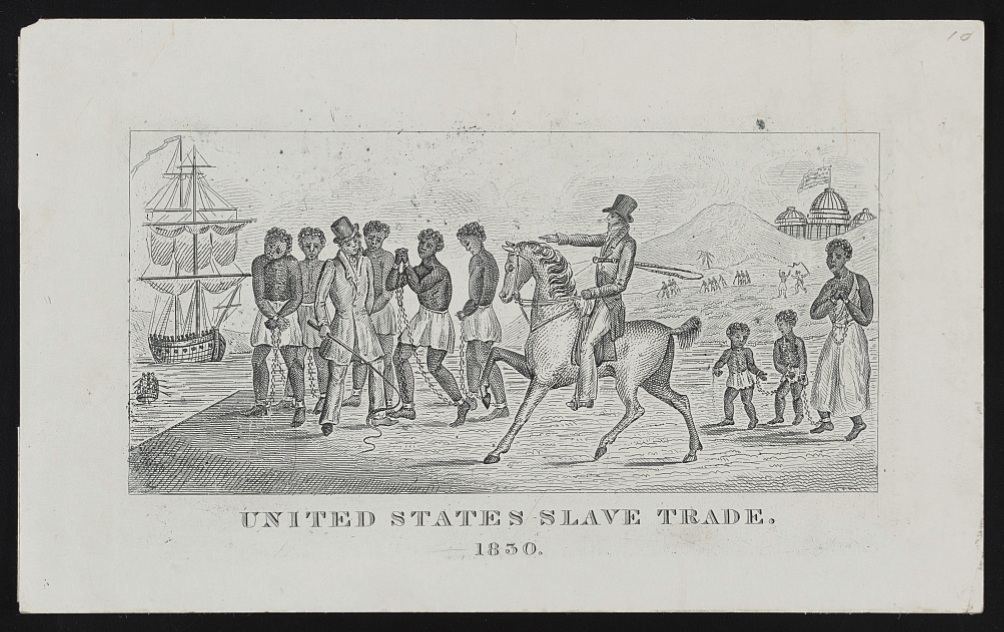
It is most probable that Paine did not write “African Slavery in America” based on a lack of evidence, on the language used in the essay, and on our computer analysis of the text.
The Author Attribution of “African Slavery in America” Read Post »
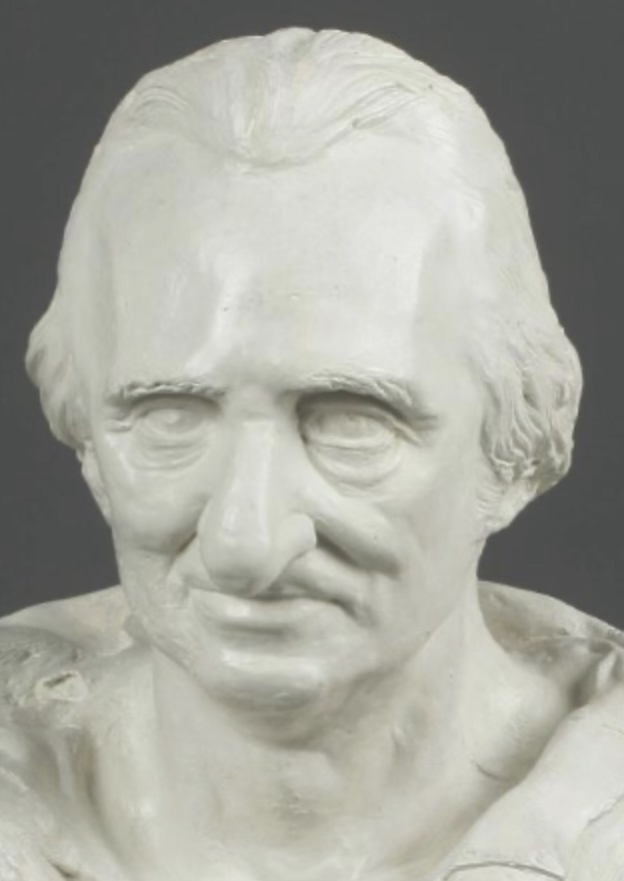
historian Yannick Bosc wrote, “Behind the smoke from the censer, there are always sulfurous fumes floating around Thomas Paine.” 200 years of historiographical inquiry still leaves us with too many questions. We can only look forward to the new, impartial, unbiased, and well-researched works that are yet to come.
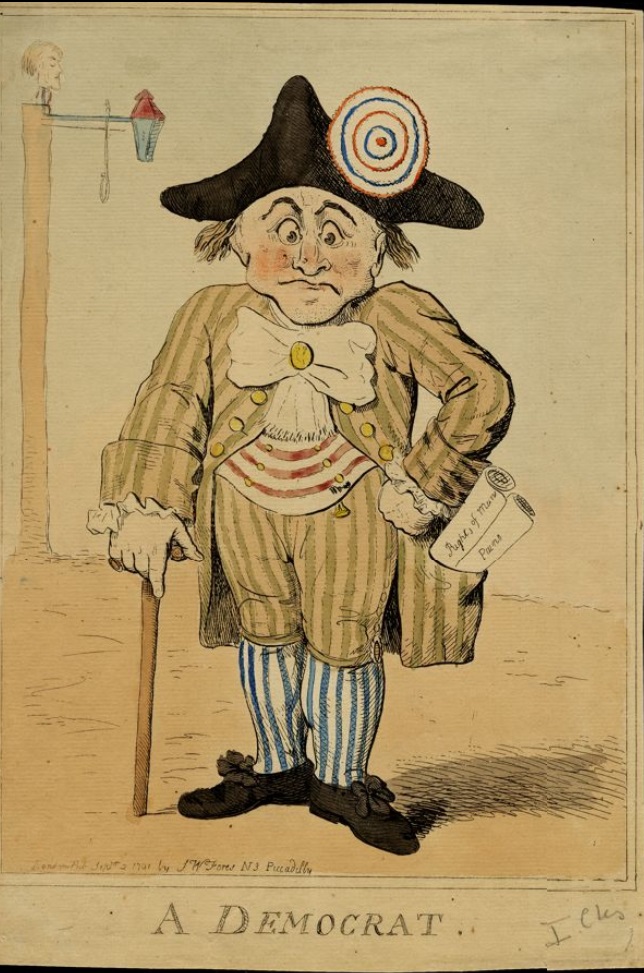
Historians are challenged to remain ambivalent when writing about multi-layered Paine. We have Paine the political strategist, the enlightened idealist and utopian, the religious heretic, the economist, the journalist, the inventor, and humanitarian. Paine was vilified, idolized and all in between.
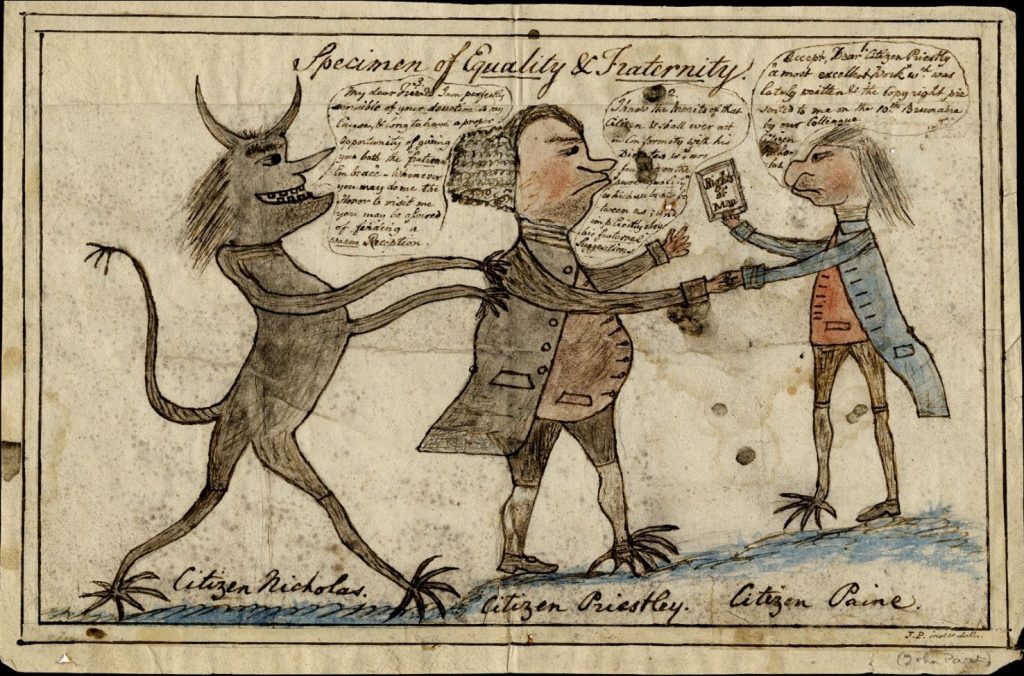
Even before Paine’s death, his life was being dissected by those around him on both sides of the Atlantic. The earliest “biographies” of Paine were highly critical, politically-motivated smear campaigns funded by political enemies in high places. Each writer set out to debunk Paine’s major works.
The Curious History of Thomas Paine’s Biographies Read Post »
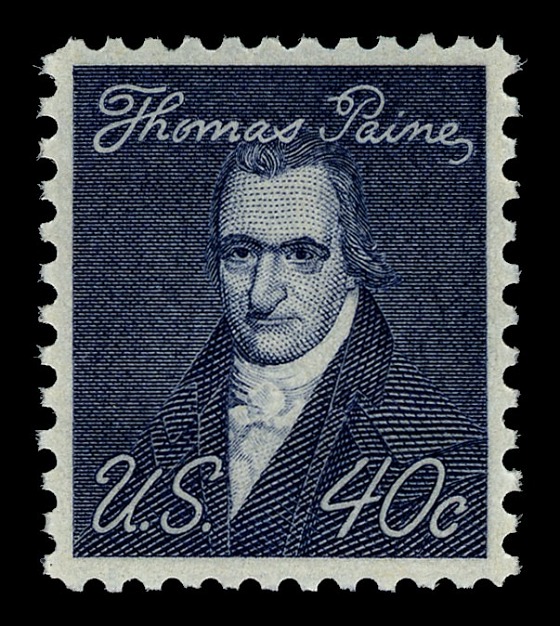
I joined the TPNHA because Paine still lives among us, on bookshelves, yes, but moreso here in The Beacon. There are still statues to be cast, a national monument to be built, national school curriculums to be written, and biographical movies to be made.
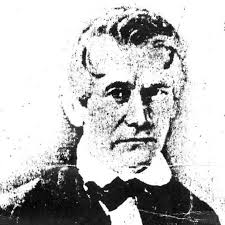
The Beacon, a freethought journal by Gilbert Vale (1788-1866) was a pivotal, influential social and political publication in the mid-19th century, publishing 587 issues from 1836 to 1851. In the mid-19th century, The Beacon helped to forge a movement against the age’s undemocratic forces.

Calculations are objective, there is no room to introduce prejudices. Such a methodology to analyze text was developed by the Institute for Thomas Paine Studies: to make use of proven methods of comparing author features, they took these methods and combined them.
Computer Text Analysis of Thomas Paine’s Writings Read Post »