Beacon

Explore articles from The Beacon, the Thomas Paine Historical Association’s bi-monthly journal. Each issue features multiple original articles written by a diverse group of leading Thomas Paine scholars, historians, and experts. Together, these contributions examine Paine’s life, writings, and enduring influence while connecting his ideas on liberty, democracy, and human rights to the political and social issues of today.

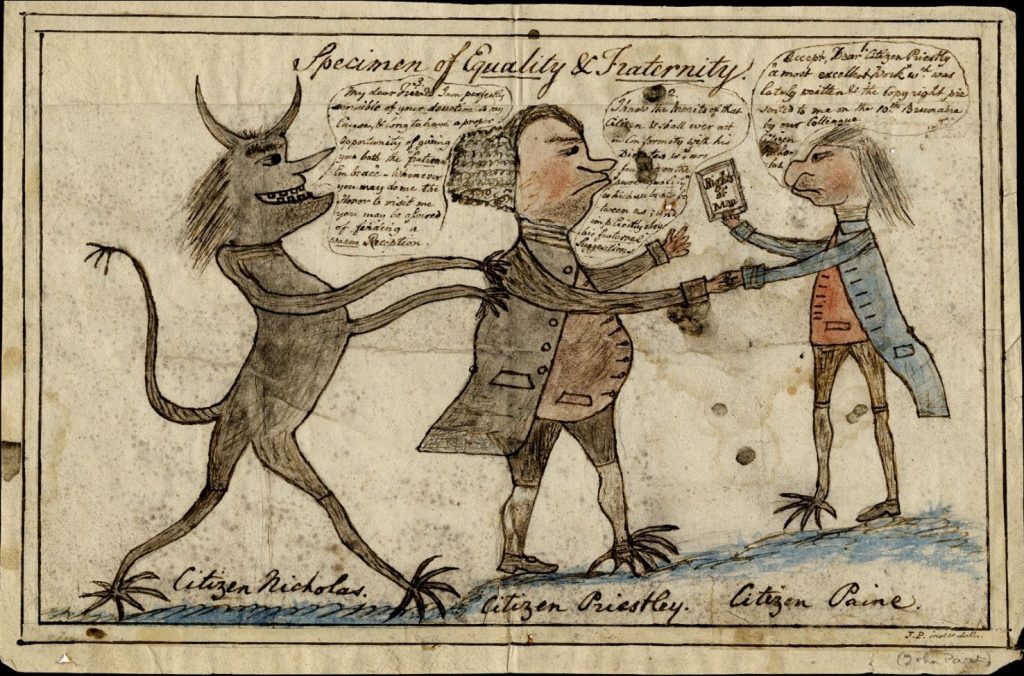
“Specimen of Equality & Fraternity” is a 1810’s print or caricature created by John Paget. Paine greets Joseph Priestley, who is backed by Nicolas de Bonneville, and offers him a copy of Rights of Man. The first two are each depicted with one human and one animal foot while Bonneville is portrayed as a demon – American Philosophical Society

The Curious History of Thomas Paine’s Biographies

Beacon, Beacon May 2024

Even before Paine’s death, his life was being dissected by those around him on both sides of the Atlantic. The earliest “biographies” of Paine were highly critical, politically-motivated smear campaigns funded by political enemies in high places. Each writer set out to debunk Paine’s major works.

, , , ,

The Curious History of Thomas Paine’s Biographies Read Post »

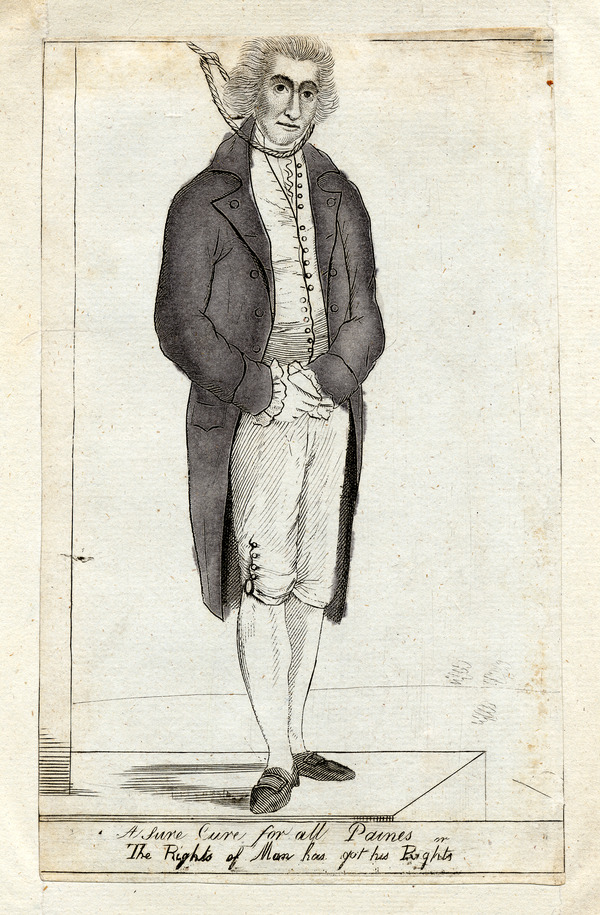
“A Sure Cure for all Paines” or “The Rights of Man has got his Rights” is a 1792 political cartoon showing Paine being hung – American Philosophical Society

Banning Thomas Paine

Beacon, Beacon May 2024

Lukin identified the 32 books most often banned worldwide. Two of those books, Rights of Man and The Age of Reason, were authored by Paine. As true from Common Sense forward, governments purporting to support democracy and free speech will resist the radical impact of Paine’s thoughts.

, , ,

Banning Thomas Paine Read Post »

Marker in Philadelphia, Pennsylvania with the inscription, ‘At his print shop here, Robert Bell published the first edition of Thomas Paine’s revolutionary pamphlet [Common Sense] in January 1776. Arguing for a republican form of government under a written constitution, it played a key role in rallying American support for independence.’ Erected in 1993 by the Pennsylvania Historical and Museum Commission – Photo by J. J. Prats

Common Sense and the Revolutionary Moment 

Beacon, Beacon March 2024

In Common Sense, Paine introduced the concept of modern democracy. This idea is what the “revolution” in the American Revolution rested upon. Self-rule was a by-product of the concept of government “of the people, for the people, by the people.” Before Common Sense, the meaning of “democracy” was diffuse.

Common Sense and the Revolutionary Moment  Read Post »

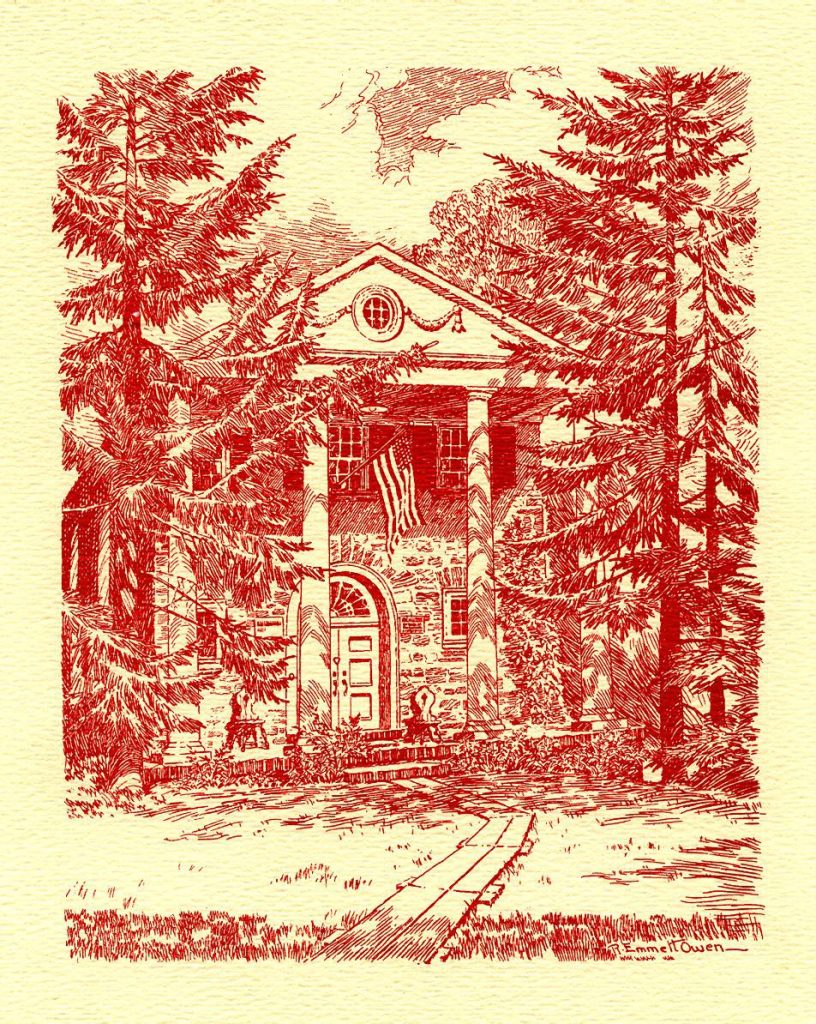
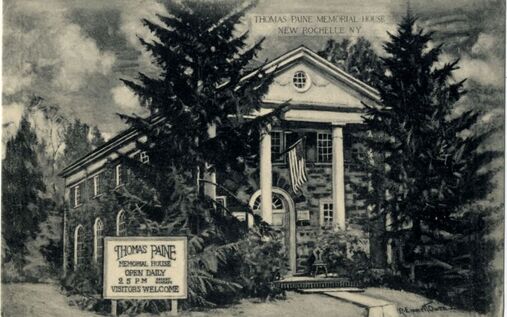
Thomas Paine Memorial Building sketch by Robert Emmett - American Philosophical Society

Thomas Paine’s Political Influence on Me 

Beacon, Beacon January 2024

By Barbara Crane  My interest in Thomas Paine began when I moved to New Rochelle in 2016 after retirement from decades advancing women’s reproductive health, rights and justice around the world. My earlier academic work had focused on international politics and development, with special attention to the role and influence of transnational networks and policy

, ,

Thomas Paine’s Political Influence on Me  Read Post »

Discovering the Truth About Thomas Paine

Beacon, Beacon November 2023

I joined the TPNHA because Paine still lives among us, on bookshelves, yes, but moreso here in The Beacon. There are still statues to be cast, a national monument to be built, national school curriculums to be written, and biographical movies to be made. 

, , , ,

Discovering the Truth About Thomas Paine Read Post »

TPHA building

My Discovery and Love of Thomas Paine

Beacon, Beacon September 2023

An incorrigible Europhile for much of my youth, I was not terribly interested in Thomas Paine. The fact that Ronald Reagan was an admirer of Paine didn’t help either. But then I realized that to understand William Blake’s revolutionary sentiment, I had to read Rights of Man

, ,

My Discovery and Love of Thomas Paine Read Post »

Scroll to Top